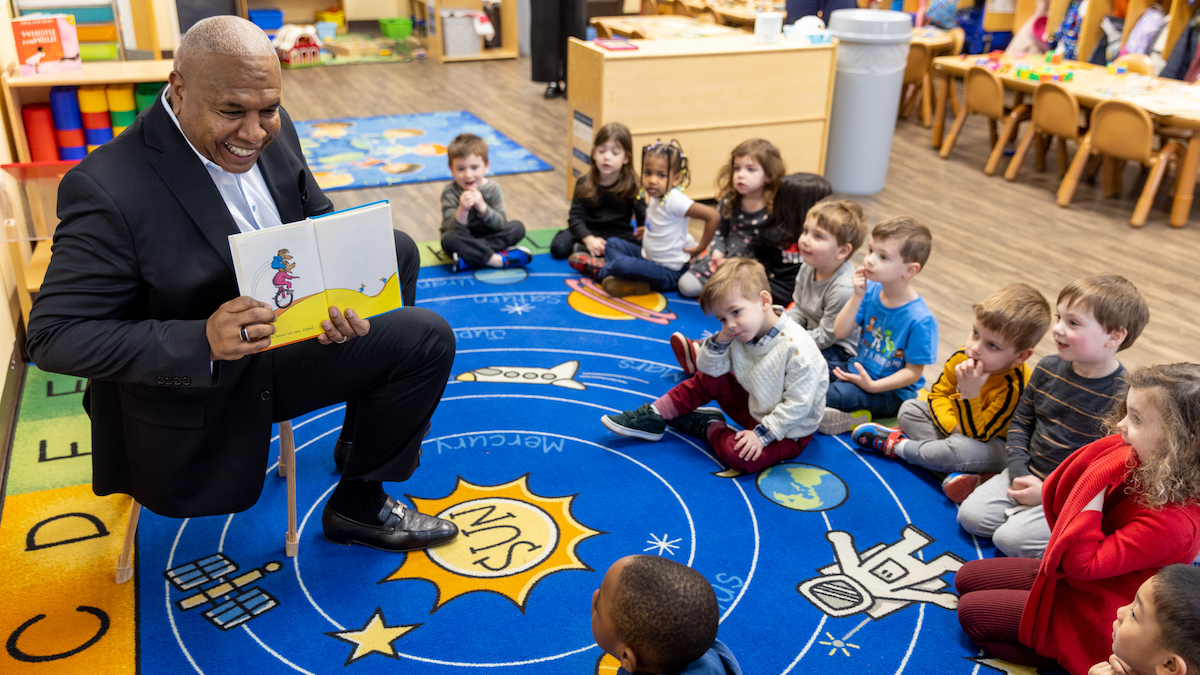
Education is no longer confined to the walls of a classroom or the pages of a textbook. In today’s world, it’s an ever-evolving journey shaped by technology, creativity, and the desire to keep learning long after formal schooling ends. Whether it’s young children exploring their curiosity through interactive apps, high schoolers embracing new tools for projects, or adults upskilling in their careers, education has become more accessible and personal than ever before.
What’s most exciting is how creativity is now woven into the very fabric of learning. Tools, platforms, and innovative methods have turned traditional study into a dynamic, engaging process where students can express themselves while building valuable skills.
The Role of Creativity in Modern Learning
Think back to the most memorable lessons you’ve ever had. Chances are, they weren’t the ones where you copied notes word-for-word. They were the classes where you created something, whether that was a science project, a piece of art, or a group presentation. Creativity sticks because it engages more than just the mind; it engages emotion, imagination, and individuality.
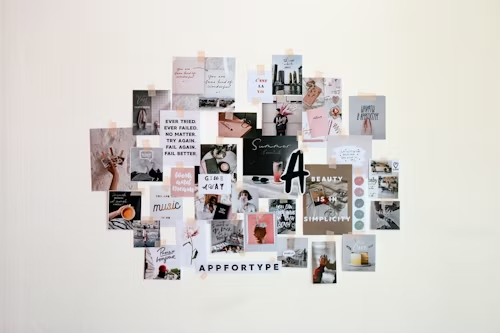
This is where modern digital resources step in. For example, platforms like a collage maker
provide students with ways to present research, ideas, or stories visually. Rather than submitting a written report, students can curate a collection of images, designs, and text to demonstrate what they’ve learned. It’s not just about aesthetics, it’s about helping learners make meaningful connections with information and present it in a way that resonates.
Technology as a Bridge, Not a Barrier
One of the greatest myths about education and technology is that digital tools can replace human connection. The reality is quite the opposite: when used thoughtfully, technology strengthens collaboration, broadens access, and sparks engagement. For instance, during the pandemic, online classrooms became the lifeline for millions of students worldwide. While challenging, it showed us that education could adapt, evolve, and reach learners no matter where they were.
In practical terms, tools like virtual whiteboards, collaborative documents, and interactive quizzes don’t eliminate traditional methods, they complement them. A teacher who combines storytelling with digital visuals or group brainstorming with cloud-based sharing often sees higher levels of student involvement.
Why Visual Learning Matters
Educational psychologists have long emphasized the importance of visual learning. Research suggests that pairing visuals with text can improve information retention by up to 65%. This is why charts, diagrams, and infographics aren’t just decorative; they’re essential to deeper understanding.
Take history as an example. Instead of memorizing dates and names, students could build a visual timeline with photos, maps, and quotes. Suddenly, the lesson transforms from abstract data into a narrative they can see and connect with. The same goes for science, where a diagram of the human body is far more effective than a block of text describing it.
Real-Life Applications: Beyond the Classroom
Education doesn’t stop when school ends. Adults engage in learning all the time, whether it’s training for a new job, pursuing a hobby, or simply staying informed. Creativity and technology remain key players here too.
Consider professionals in fields like marketing or journalism. They often need to present data or tell a story in compelling ways. Being able to transform raw information into a visual or interactive format isn’t just nice to have, it’s a career skill. Even in everyday life, parents help children with homework using online resources, while hobbyists explore tutorials and design projects to expand their knowledge.
Practical Tips for Embracing Creativity in Education
If you’re a student, parent, or educator, here are a few simple ways to infuse creativity into the learning process:
Mix mediums: Don’t rely solely on written notes. Combine drawings, charts, and digital tools to reinforce learning.
Tell stories: Whether it’s explaining a math problem or a historical event, framing it as a narrative makes it more memorable.
Encourage choice: Give learners the freedom to decide how they want to present their understanding, whether through video, visuals, or writing.
Collaborate digitally: Use online platforms for group projects, so students can contribute ideas and materials in real-time, even outside the classroom.
Celebrate individuality: Remember that each learner processes information differently. Creativity provides multiple pathways for understanding.
Looking Ahead: Education as a Lifelong Adventure
As we move deeper into the digital age, the most valuable lesson we can teach isn’t just about facts or figures, it’s about adaptability. Education today encourages critical thinking, problem-solving, and the ability to present ideas in unique ways. Technology and creativity are not distractions; they’re essential tools that empower learners of all ages to thrive in a fast-changing world.
The truth is, education has never been about memorizing for the sake of passing tests. It’s about nurturing curiosity, building connections, and sparking innovation. By embracing creativity and using the tools available to us, we can transform the way knowledge is shared, making learning not just a requirement, but a lifelong adventure worth pursuing.